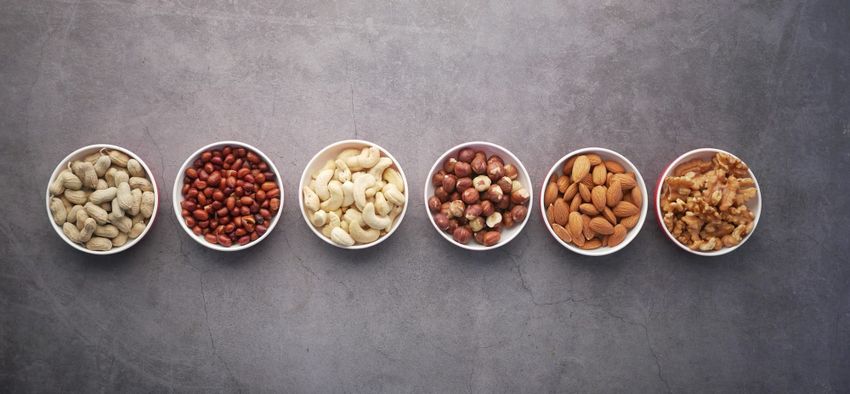
Put 25 to 30 grams of protein on your breakfast plate tomorrow. That is roughly a cup of plain nonfat Greek yogurt with a small handful of almonds, while a cup of cottage cheese gets you close, at about 24 grams.
Check the label, because protein per serving varies by brand. Aim for the number, not the food.
The target comes from PROT-AGE, an international expert group that published guidance for people over sixty-five in 2013. It recommended at least 1.0 to 1.2 grams of protein per kilogram of body weight per day for healthy older adults, and at least 1.2 for those who exercise.
The group also described a per-meal threshold, about 25 to 30 grams, that older adults appear to need to switch on muscle building. Aging muscle tends to need a bigger protein signal than younger muscle to respond the same way.
An expert group convened by the European Society for Clinical Nutrition and Metabolism recommended the same daily range in 2014. It paired that advice with daily physical activity or exercise.
For a 65-kilogram woman, 1.0 to 1.2 grams per kilogram is about 65 to 80 grams a day. Spread across three meals, that is roughly 25 grams each.
Breakfast is often where protein runs lowest. In US survey data, women in their sixties got about 17 percent of their daily protein at breakfast.
A slice of toast, a banana and black coffee come to about 4 to 6 grams.
Be clear about what the evidence says. Total daily protein comes first, and the per-meal threshold comes mainly from short lab studies of muscle protein building, done mostly in men.
These targets were also written for people over sixty-five, so in your fifties you are applying them early. This is not about breakfast being special, but about making breakfast pull its weight toward your daily total.
Pair it with your training. Protein supplies the material, and lifting gives muscle the reason to use it.
If you have chronic kidney disease, ask your doctor before raising your protein. PROT-AGE advised capping it at 0.8 grams per kilogram for severe kidney disease without dialysis.
Tomorrow, read the label on whatever you eat first. If it does not reach 25 grams, add yogurt, cottage cheese or eggs until it does.
Your daily total is the number that matters most. A 25-gram breakfast is the easiest place to start.